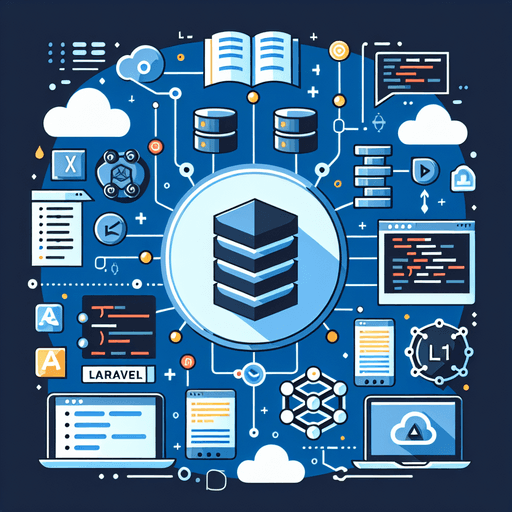
Laravel custom API development is a powerful approach that allows businesses to create tailored APIs using the Laravel framework. These APIs serve as the backbone for communication between different software systems, enabling seamless integration and data exchange. In this section, we will explore the introduction to Laravel custom API development and the benefits it offers to businesses.
Laravel custom API development is the process of designing and building APIs specifically tailored to meet the unique needs of a business. Laravel, a popular PHP framework, provides a robust foundation for developing APIs that are scalable, secure, and efficient. With Laravel’s expressive syntax and extensive feature set, developers can create custom APIs that align perfectly with the business requirements.
Laravel custom APIs act as intermediaries, facilitating communication between various software components, applications, or even third-party services. They enable seamless data exchange and integration, allowing businesses to streamline workflows, automate processes, and enhance overall productivity.
Custom API development with Laravel offers numerous benefits to businesses. Some of the key advantages include:
By leveraging Laravel custom API development, businesses can revolutionize their operations, enhance productivity, and unlock new opportunities for growth. To learn more about Laravel development and its potential, check out our article on how-to-develop-scalable-laravel-apps.
In the next sections, we will explore the fundamental aspects of Laravel custom API development, including the Laravel framework itself and the importance of APIs in Laravel development. Stay tuned!
To understand the concept of Laravel custom API development, it’s essential to have a solid grasp of the Laravel framework and the role of APIs within it.
Laravel is a popular open-source PHP framework known for its elegance, simplicity, and robust features. It provides developers with a structured and efficient way to build web applications. Laravel follows the Model-View-Controller (MVC) architectural pattern, making it easier to separate the business logic from the presentation layer.
Some key features of Laravel include:
For a more comprehensive understanding of Laravel, you can refer to our article on overview-laravel-custom-development.
APIs (Application Programming Interfaces) play a vital role in Laravel development, enabling seamless communication between different systems and services. APIs act as intermediaries, allowing applications to interact with each other and share data in a structured manner.
In Laravel, APIs can be used to expose functionalities and resources of a web application to other applications or clients. This allows for the development of custom APIs that cater to specific business needs. Laravel’s built-in API features, such as API routes and resource controllers, make it easier to create and manage APIs.
Here are some key benefits of using APIs in Laravel development:
For more insights into Laravel custom development and best practices, you can refer to our article on how-to-develop-scalable-laravel-apps.
Understanding the basics of Laravel and the significance of APIs in Laravel development sets the foundation for exploring the world of Laravel custom API development. In the next sections, we will delve into the planning, designing, and building of custom APIs using Laravel, as well as considerations for integration, testing, security, and performance optimization.
To harness the power of Laravel for custom API development, it is essential to understand the process of planning, designing, and building APIs. This section will explore the key steps involved in developing custom APIs with Laravel.
Before diving into the development process, careful planning and designing of APIs are crucial. This phase sets the foundation for a successful API implementation. Here are some key considerations during the planning and designing phase:
Once the planning and designing phase is complete, it’s time to start building your custom APIs with Laravel. Laravel provides a robust framework that simplifies API development. Here are the key steps involved in building APIs with Laravel:
By following these steps, you can effectively develop custom APIs using the Laravel framework. Remember to leverage the vast Laravel ecosystem, which includes various packages and libraries, to enhance and streamline your API development process. For more insights into developing scalable Laravel applications, check out our article on how to develop scalable Laravel apps.
In the next section, we will explore the integration and testing phase of custom API development with Laravel. Stay tuned!
As you embark on your Laravel custom API development journey, it’s essential to understand the process of integrating APIs into your business systems and the importance of testing and debugging custom APIs to ensure their functionality.
Integrating APIs into your business systems is a crucial step in leveraging the power of Laravel custom API development. APIs serve as the bridge between different software applications, allowing them to communicate and share data seamlessly. By integrating APIs into your business systems, you can streamline processes, enhance efficiency, and improve overall productivity.
To integrate APIs effectively, it’s important to have a clear understanding of your business requirements and the specific functionalities you want to achieve. This involves identifying the APIs that align with your needs and ensuring they are compatible with your existing systems. Laravel provides a robust framework for API integration, offering a wide range of libraries and tools to facilitate seamless integration with various platforms and technologies.
During the integration process, it’s essential to consider factors such as security, data synchronization, and error handling. By following best practices and utilizing Laravel’s built-in features, you can ensure a smooth and secure integration of APIs into your business systems. For more information on Laravel development and project management, check out our articles on how to develop scalable Laravel apps and Laravel project management.
Testing and debugging are critical steps in the development of custom APIs with Laravel. Thorough testing ensures that your APIs function as intended, provide accurate responses, and handle errors gracefully. By identifying and fixing any issues during the testing and debugging phase, you can ensure the reliability and stability of your custom APIs.
To effectively test and debug custom APIs, it’s important to have a well-defined testing strategy in place. This includes creating comprehensive test cases that cover different scenarios and edge cases. Laravel provides a testing framework that simplifies the process of writing and executing tests, allowing you to validate the functionality and performance of your APIs.
During the testing phase, it’s important to validate the input and output of your APIs, test various endpoints, and simulate different user interactions. This helps uncover any potential bugs, performance bottlenecks, or security vulnerabilities. By utilizing Laravel’s debugging tools and error handling mechanisms, you can identify and resolve issues efficiently.
Remember to document any issues and fixes encountered during the testing and debugging process. This documentation serves as a valuable resource for future reference and maintenance of your custom APIs.
Integrating APIs into your business systems and thoroughly testing and debugging your custom APIs are crucial steps to ensure the successful implementation of Laravel custom API development. By following best practices and leveraging the power of Laravel’s features and tools, you can create robust and reliable APIs that meet your business needs. For more insights on Laravel custom development, explore our articles on overview of Laravel custom development and Laravel custom development in Barcelona.
When it comes to Laravel custom API development, ensuring the security and optimizing the performance of your APIs are critical aspects to consider. In this section, we will explore the steps you can take to ensure the security of your custom APIs and optimize their performance.
Security is of utmost importance when developing custom APIs with Laravel. Here are some key considerations to keep in mind to ensure the security of your APIs:
To ensure optimal performance of your Laravel custom APIs, consider the following strategies:
By prioritizing security and performance in your Laravel custom API development, you can build robust and efficient APIs that meet the needs of your business and ensure a seamless experience for your users. Stay updated with the latest trends and best practices in Laravel custom development to leverage the full potential of this powerful framework.
As technology continues to evolve, the field of Laravel custom API development is also advancing at a rapid pace. Staying up-to-date with emerging technologies and practices is essential for businesses looking to revolutionize their operations. In this section, we will explore some of the future trends in Laravel custom API development and how they can be leveraged for business growth.
Microservices architecture is gaining popularity in Laravel custom API development. It involves breaking down complex applications into smaller, independent services that can be developed, deployed, and scaled individually. This approach allows for greater flexibility, scalability, and maintainability of the APIs. By adopting microservices architecture, businesses can build modular and highly scalable systems that can adapt to changing requirements.
GraphQL is a query language for APIs that provides a more efficient and flexible alternative to traditional RESTful APIs. It allows clients to specify exactly what data they need from the API, reducing over-fetching and under-fetching of data. Laravel has excellent support for GraphQL through packages like Lighthouse, enabling developers to build powerful and performant APIs. Embracing GraphQL can enhance the developer experience and improve the overall performance of your Laravel custom APIs.
Serverless architecture is gaining traction in the development community. It allows developers to build and run applications without the need to manage servers or infrastructure. With serverless computing platforms like AWS Lambda and Azure Functions, developers can focus on writing code and let the platform handle the scaling and management of resources. Adopting serverless architecture in Laravel custom API development can bring cost savings, scalability, and reduced operational overhead.
Custom APIs developed with Laravel offer immense opportunities for businesses to drive growth and innovation. Here are some ways to leverage custom APIs for business growth:
Integrating custom APIs with third-party services can expand the capabilities of your business systems. By connecting your Laravel application with popular applications and services, you can streamline workflows, automate tasks, and enhance user experiences. Whether it’s integrating with payment gateways, social media platforms, or CRM systems, custom APIs provide the flexibility to create seamless and efficient integrations.
Building an API ecosystem allows businesses to expose their services to external developers and partners. By providing well-documented APIs and developer resources, businesses can foster innovation and collaboration. This can lead to the creation of new applications, integrations, and services that leverage your core offerings. A thriving API ecosystem can drive business growth by expanding your reach and creating new revenue streams.
Custom APIs play a pivotal role in mobile application development. Leveraging Laravel custom APIs, businesses can develop mobile applications that seamlessly integrate with their existing systems. This enables enhanced customer experiences, real-time updates, and access to critical business data on the go. By investing in mobile application development and utilizing custom APIs, businesses can tap into the growing mobile market and stay ahead of the competition.
As Laravel custom API development continues to evolve, businesses must adapt to emerging technologies and practices to stay relevant. By embracing trends like microservices architecture, GraphQL, and serverless computing, businesses can build scalable, performant, and innovative systems. Leveraging custom APIs for integration, building ecosystems, and mobile application development can drive business growth and unlock new opportunities in the digital landscape.